Corn Rootworm Pressure on the Rise: What Our 2026 Field Trials Revealed
By Olivia Van Doornik | Agronomy Lead, PRIDE Seeds
Corn rootworm continues to be an important concern for Ontario corn growers, and observations from the 2026 growing season reinforce the need for proactive monitoring and management.
Throughout the season, the PRIDE Seeds agronomy team monitored corn rootworm activity across several trial locations. One thing became clear: rootworm pressure was high in 2026.
From elevated beetle counts to promising results with new management tools, our field observations offer valuable insights for growers planning their 2027 corn crop.
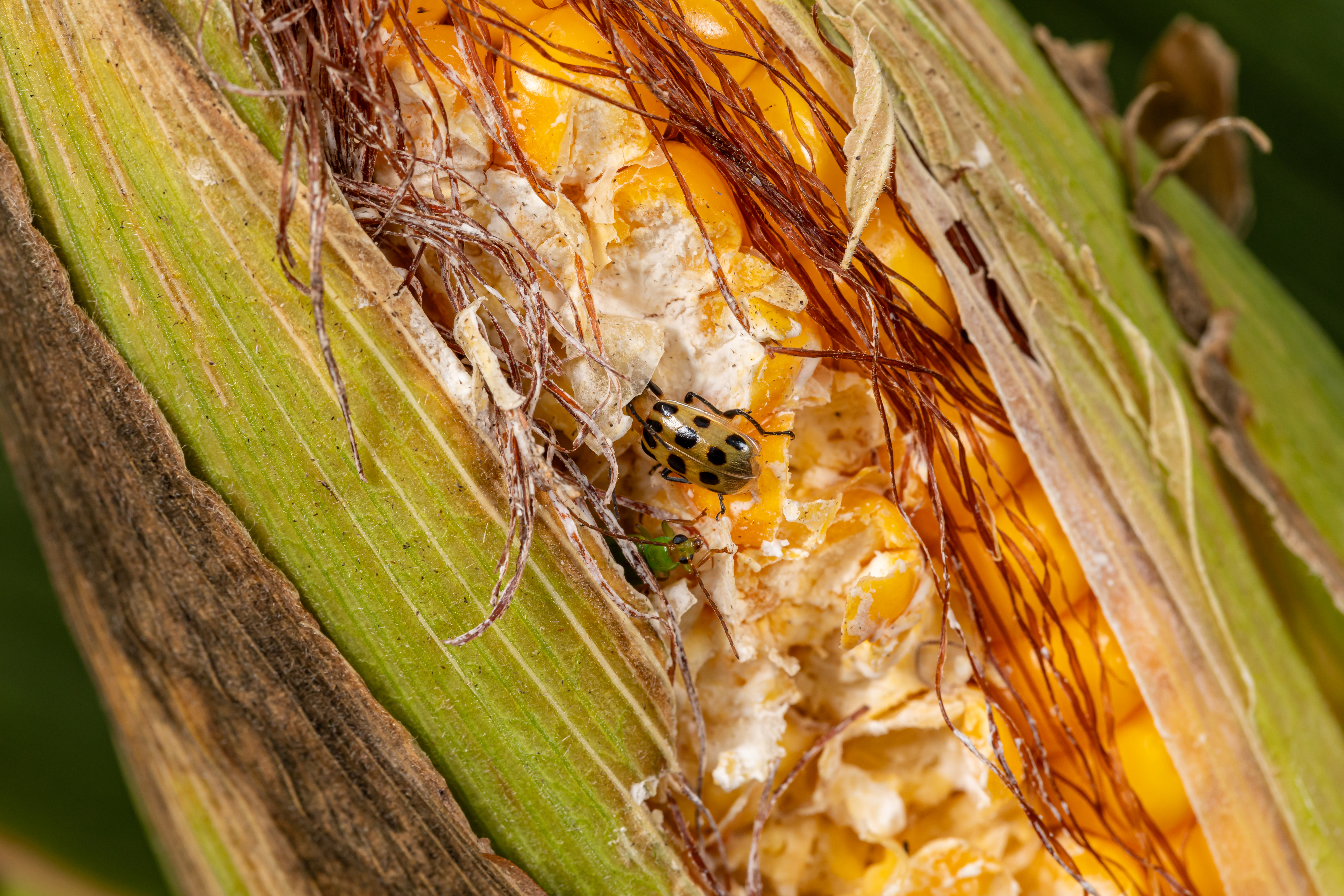
Monitoring Reveals Elevated Rootworm Activity
Corn rootworm beetle counts at our Monkton, Russeldale and Exeter trial sites climbed throughout August, reaching peak levels during the third week of the month.
Monitoring results exceeded the threshold used by our agronomy team, highlighting increasing pressure across multiple locations.
Key monitoring observations:
2 beetles per trap per day: Monitoring threshold.
42 beetles per trap per day: Average recorded near Woodstock during peak flight.
Increasing pressure was also observed farther south, including problem fields near Woodstock.
These observations reinforce the importance of monitoring beetle populations and understanding the potential risks heading into the following growing season.
Why Are We Seeing More Rootworm?
Weather conditions over the past two winters may be contributing to increased corn rootworm populations.
Deep, lasting snow cover likely insulated the soil, potentially improving the survival of overwintering corn rootworm eggs.
Greater egg survival could result in increased larval populations feeding on corn roots the following season, making monitoring particularly important in fields with a history of rootworm pressure.
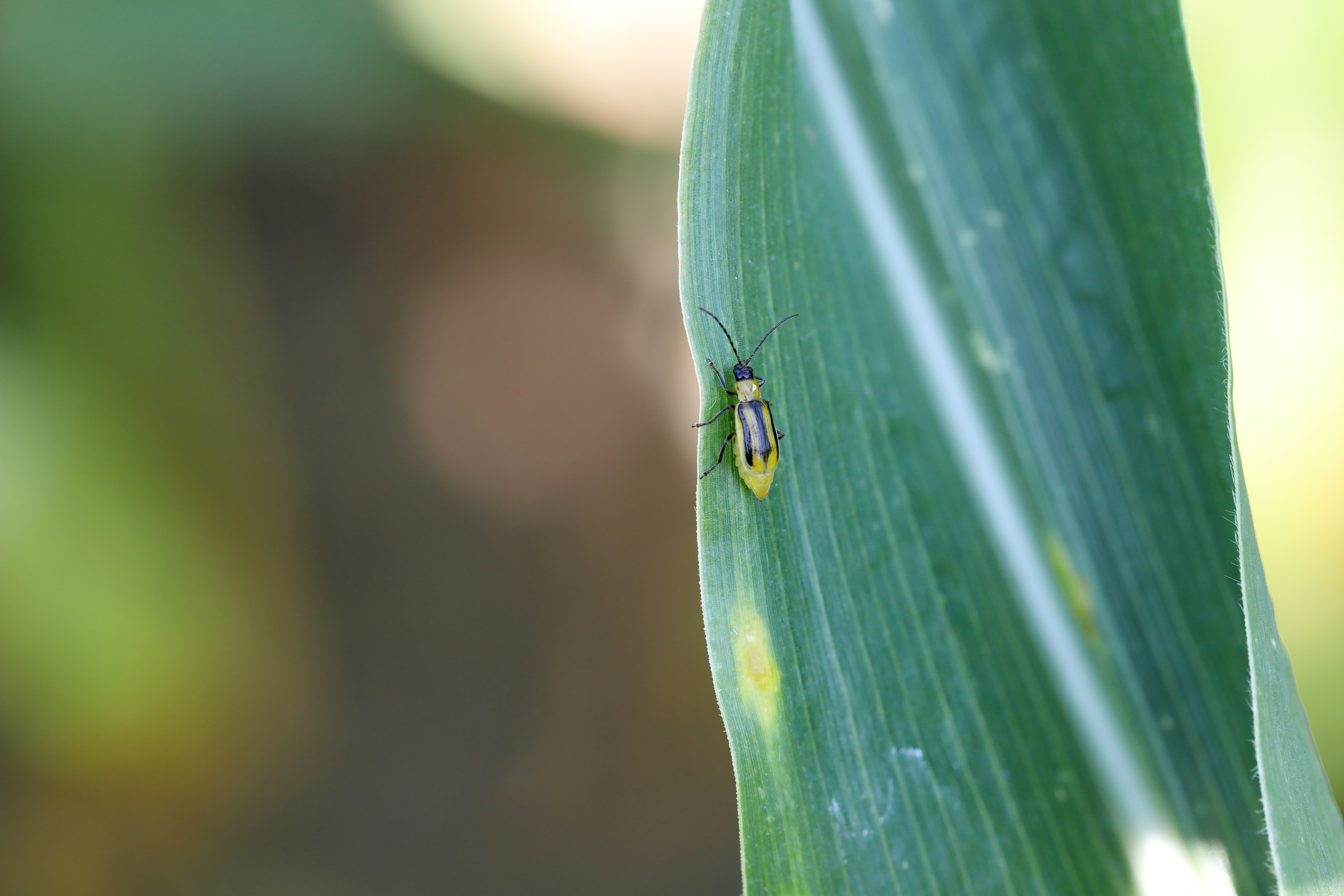
Putting Opello to the Test: 2026 Agronomy Trial Results
As part of our ongoing agronomy research, the PRIDE Seeds team evaluated Opello, Syngenta's in-furrow rootworm insecticide applied with starter fertilizer at planting.
The objective was to better understand its potential role in managing rootworm pressure and protecting yield potential under varying field conditions.
Across our trial locations, Opello out-yielded the untreated check in eight of ten hybrid comparisons.
Results varied depending on pest pressure, hybrid selection and growing conditions.
Monkton | Grain Corn
A5959G2 Trial Results
At Monkton, Opello reduced corn root injury by 62–77% compared with the untreated check.
Positive grain yield responses were recorded in both trial years:
2025: +11.6 BU/AC
2026: +18.4 BU/AC
These findings demonstrated a positive response to additional rootworm protection under the conditions evaluated.
Exeter | Silage Corn
Strong Yield Response Under Rootworm Pressure
At Exeter, where rootworm pressure is overcoming some Bt trait protection, Opello increased silage yield across all three hybrids evaluated.
Additional silage yield ranged from:
+2.3 to +2.5 tonnes per acre
The strongest results were observed when A7199G9 (SmartStax PRO) was paired with Opello.
These results highlight the potential value of combining an effective trait package with additional management tools in fields experiencing significant rootworm pressure.
Auburn | Low Rootworm Pressure
No Pressure. No Yield Advantage.
At Auburn, where very little rootworm activity was observed, Opello provided no yield benefit.
This result reinforces an important consideration: the value of additional protection depends on the level of pest pressure present in the field.
The Agronomy Takeaway: The Right Protection, Where It Matters
Our trials demonstrated positive yield responses from Opello where corn rootworm pressure was significant, particularly when paired with a strong trait package.
However, no single management approach guarantees results across every field.
Rootworm pressure, hybrid selection, trait protection and growing conditions all influence the outcome.
These were on-farm strip trials, so results should be considered directional rather than a guarantee of future performance.
Looking Ahead to the 2027 Growing Season
The 2026 growing season provided an important reminder that corn rootworm remains a pest to watch, particularly in continuous corn production systems and fields with historically elevated beetle populations.
Monitoring local pressure, evaluating available management options and selecting hybrids with appropriate trait protection can help growers make more informed decisions heading into 2027.
At PRIDE Seeds, our agronomy team continues to evaluate new technologies, hybrid performance and management strategies to provide growers with practical, field-based insights.
Planning for 2027?
Have continuous corn acres or fields with high beetle counts?
Connect with your local PRIDE Seeds agronomist to discuss corn rootworm management options and develop a strategy suited to your operation.
Field trial results reflect specific growing conditions and may not represent future performance. Results may vary. Confirm Canadian product registrations, approved uses, labels and trait descriptions before making management decisions.